Temperature is one of the biggest cost drivers in refrigerated ("reefer") freight, but it’s also one of the most misunderstood.
The temperature requirements of your commodity directly influence energy and fuel usage, equipment selection, and shipment complexity — all of which impact your freight rate.
Two reefer loads on the same lane can have very different rates, which can be frustrating for shippers trying to move freight and budget effectively.
Anderson Trucking Service (ATS) has reliably handled reefer freight for years. Our team works with shippers moving everything from frozen foods to pharmaceuticals, and in doing so, we’ve developed a keen understanding of the relationship between temperature requirements and shipping costs.
This guide breaks down how temperature impacts reefer pricing (the nuances may surprise you!) so you can understand where your cold chain logistics costs are coming from — and what you can do to manage them.
Key Takeaways
- Reefer shipping prices are driven by temperature control unit energy/fuel usage, not just how cold or warm your freight needs to be.
- Refrigerated freight (32-36°F) is often the most expensive to ship because it typically requires continuous cooling.
- Frozen freight (-20-0°F) is usually cheaper than refrigerated freight, because trailer insulation and pre-cooling allows for more efficient stop-start cooling.
- Outdoor temperatures can significantly increase reefer costs by forcing cooling units to work harder.
- Shippers can reduce reefer costs through freight pre-cooling, optimized temperature settings, flexible scheduling, and proactive seasonal planning.
What Is a Reefer Trailer?
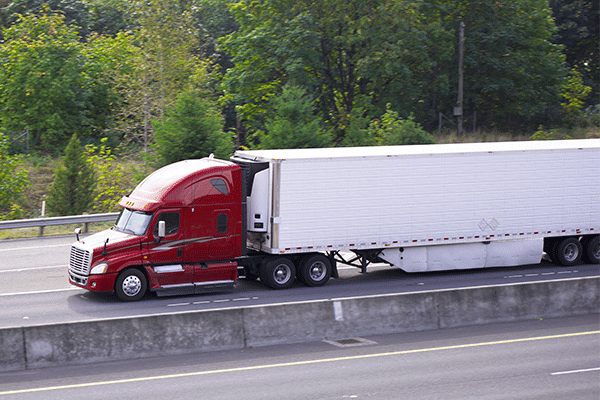
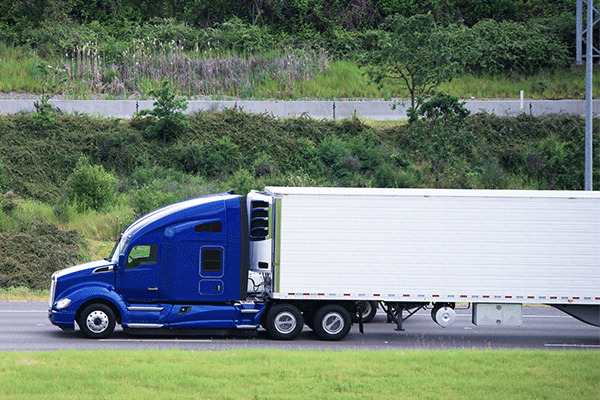
Refrigerated trailers, also called “reefers”, are a specialized trailer type used to transport commodities that need to be temperature-controlled or freeze-protected.
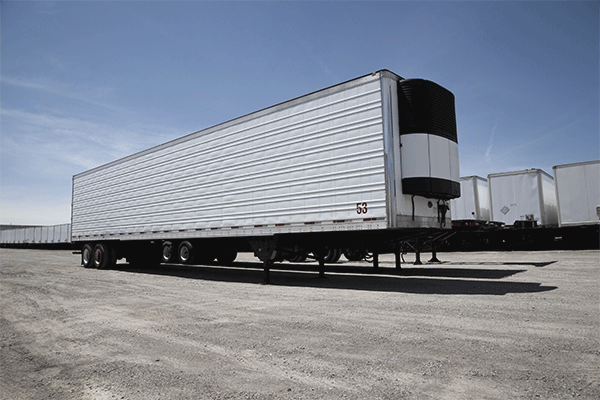
Reefer trailers consist of an enclosed, often insulated container with an external cooling unit attached. A reefer’s insulated walls and cooling unit protect freight from temperatures that would damage it.
While capabilities vary from trailer to trailer, reefers can generally maintain a wide spread of temperatures, from above-freezing (33°F+) to sub-zero temps (-10°F or even colder).
This range of temperatures allows reefers to be quite versatile. Temperature-sensitive products commonly hauled in reefer trailers include:
- Alcohol
- Batteries and electrical components
- Chemicals
- Cleaning products
- Cosmetics
- Fresh flowers
- Fresh produce
- Frozen foods
- Glues and adhesives
- Hazmat goods
- Paint
- Perishable foods, like meat and dairy products
- Pharmaceuticals
Types of Reefer Cooling: Stop-Start vs. Continuous (and How It Affects Your Price)
The cost of moving reefer freight isn't determined by temperature alone — it's also driven by how your freight is kept at that temperature.
There are two types of reefer temperature control settings: Stop-start and continuous. These terms describe the manner in which the trailer's temperature control unit is run during your shipment:
- Stop-start cooling is the less expensive of the two cooling options. When running the stop-start cooling setting, the reefer's temperature control unit only turns on when the container's internal temperature hits a certain threshold. The unit will run until the target temperature is reached, then shut off again.
- Continuous cooling can be significantly more expensive than start-stop cooling, but it also provides much more consistent temperature control. Using the continuous cooling setting, the reefer's temperature control unit runs constantly to maintain a stable temperature. This uses much more energy than start-stop cooling and is priced accordingly.
Certain commodities, like fresh produce, require continuous cooling as a non-negotiable — which can get expensive fast. If you’ve ever felt like your reefer price was extraordinarily high, it’s likely that your freight needed continuous temperature control.
To some extent, there's no getting around the impact of reefer cooling unit fuel expenditure on your final freight bill. But with that said, working with transportation providers that prioritize new equipment (and well-maintained equipment) can help. Newer reefer trailers are more energy efficient and use less diesel to run the temperature control unit.
By ensuring your freight only travels on modern reefer units with up-to-date cooling technology, you can get peace of mind that the trailer itself isn't impacting the overall energy footprint of your shipment — and the affect on your bottom line is a nice bonus, too.
How Temperature Settings Impact Reefer Shipping Costs
The temperature setting your freight requires affects the energy usage of the reefer's cooling unit — which directly impacts your reefer shipping costs.
Generally, reefer freight temperatures fall into one of three categories:
Each of these temperature settings calls for a different level of energy expenditure and fuel use in order to maintain it.
A common misconception is that the cost to ship reefer freight increases as temperatures decrease, but this is not necessarily true.
Instead, reefer shipping costs are related to the amount of energy and fuel used to maintain a shipment's required temperature — which doesn't always correspond to the coldest temperature settings.
1. Protect From Freeze/Heat
When cargo needs to be kept from getting too cold or hot, it's referred to as "protect from freeze" or "protect from heat" freight. This reefer temperature setting typically ranges from 33°F at the low end to 77°F at the high end.
Reefer trailers are already insulated enough that freeze/heat protection doesn't require much energy expenditure to maintain. The cooling system generally only need to engage when the temperature reaches a certain threshold. This uses less energy and fuel, so shipping costs are lower.
2. Fresh/Refrigerated
The fresh/refrigerated temperature setting can be deceptively difficult to maintain — which is it's typically the most expensive type of reefer shipment.
Fresh fruits and vegetables, meats, eggs, and other temperature-sensitive commodities fall into the fresh/refrigerated category of reefer freight.
These products are hyper-sensitive to temperature adjustments, which could cause costly damage to quality and integrity, so transporting them at a steady and specific temperature is critical.
To maintain the narrow fresh/refrigerated temperature range of 32-36°F, a reefer's temperature control unit must be run continuously. This burns through much more fuel and energy than the protect from freeze and frozen temperature settings, and is therefore more expensive.
As such, if your commodity requires its reefer to maintain a consistent temperature, your freight rate will be higher than moving other types of goods.
3. Frozen
Frozen reefer freight is generally the easiest type of reefer commodity to ship — and among the cheapest.
Frozen freight requires a temperature range between 0°F and -10°F, or even lower for commodities like ice cream, which can lose its consistency at even slight temperature fluctuations.
While maintaining sub-zero temps can be tricky (and in some cases require continuous cooling), the key to frozen freight success lies in a reefer trailer's insulation.
Insulation not only puts a literal buffer between the interior temperature of the trailer and the variable conditions outside, it also helps the interior of the trailer "hold on" to pre-cooling temps — making those low temperatures easier to achieve with budget-friendly stop-start cooling.
Reefers are pre-cooled prior to moving frozen shipments to help ensure sub-zero temperatures can be achieved efficiently. The trailer's insulation makes it easier to maintain those frigid temps throughout transport.
Reefers that are used consistently or exclusively to haul frozen goods can stay cooled almost constantly, further easing the burden on the trailer's temperature control system.
In generally, moving frozen freight will be less expensive than moving fresh/refrigerated freight.
That said, if other circumstances (like especially hot weather) make it more difficult to keep your freight cool, you should expect your freight rate to increase. The trailer's cooling system will need to stop and restart more frequently to maintain its frosty interior, which will use more energy and fuel, thereby raising your costs.
How Do External Temperatures and Seasonal Changes Influence Reefer Shipping Rates?
In reefer shipping, it's not just the temperature inside the trailer that impacts your price — the temperature outside may influence your costs, too.
The hotter it is outside, the harder it is to maintain cool temperatures within your reefer. But it's also difficult to maintain above-freezing temperatures inside a reefer when conditions outside are frigid.
In both scenarios, the temperature control unit must work overtime to keep freight in its target holding range — which means your shipping lanes, the weather in those regions, time of year, and seasonal changes can all impact your shipping costs.
For example, a shipment that needs to maintain a temperature of 20°F while it travels 300 miles across Arizona on a 100°F day in July is going to cost more than transporting that same shipment on the same lane on a 65°F day in December.
Likewise, transporting goods that must stay above freezing (32°F) as they're hauled across Minnesota in the middle of winter will also cost you more than shipping a load that can freeze in the same region at the same time.
While using stop-start cooling can be an effective cost-control strategy, it's not a fix-all. If your freight requires more effort to keep at temperature, you'll pay more, plain 'n simple.
Seasonal demand shifts can also impact your ability to find a reefer trailer at a reasonable price. Be aware of the timing of harvest season on your frequent shipping lanes (and remember that, in some reasons, it comes twice a year!) and plan accordingly. Reefer demand always surges around harvests, and rates will increase accordingly.
Likewise, holiday season predictably affects reefer capacity, as perishables must travel all throughout the end of the year to store shelves and family tables. This coincides with winter weather in the northern part of the country, creating a perfect storm of cost factors that will likely raise your rates.
Related: How Location and Time of Year Impact Reefer Shipping
How to Save Money On Reefer Shipping Costs: 7 Strategic Methods for Shippers to Try
Some elements of your reefer shipment will be non-negotiable — like temperature requirements or origin/destination locations — but that doesn't mean the final bill is entirely out of your control.
Here are some methods shippers can use to manage their reefer shipping costs and keep their budget as balanced as those critical temps. Whether you're new to reefer shipping or manage a sprawling cold chain logistics operation, these strategies can make a quantifiable difference to your bottom line:
- Practice proper freight pre-cooling. Pre-cooling isn't just for trailers. By ensuring your commodity is cooled prior to pickup, you can minimize how much the temperature control unit is used, thereby lowering your costs.
- Optimize temperature ranges. Avoid overcooling; assess your freight's needs and set temperatures that meet your specs without excessive energy use.
- Check equipment age. Older reefers don't run as efficiently, which can make it more difficult to maintain temperature effectively. Be sure to ask your provide about their trailer maintenance and upkeep practices, including the average age of their reefer trailers.
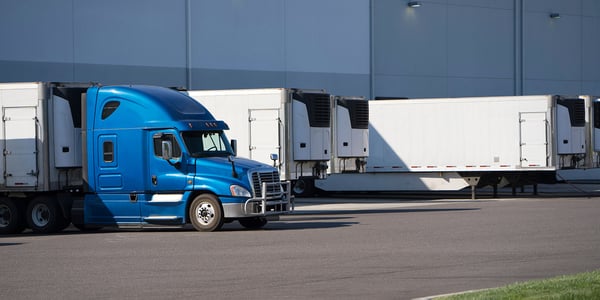
- Optimize load planning. Don't leave money on the trailer floor, so to speak: consolidate LTL into partial or full truckloads when volumes allow. Filling the space helps you avoid paying for half-empty reefers and multiple shipments.
- Leverage flexible scheduling. Flexible pickup and deliver windows = lower costs. This is true for all trailer types, not just reefers!
- Plan for seasonality. Reefer demand always spikes with harvest seasons and holidays. Book capacity in advance or lock in contract rates for high-volume lanes during predictable peaks.
- Negotiate with data. Analyze your historical shipment data to prove patterns in volumes, lanes, and seasonality. Benchmark reefer rates by lane and season to negotiate smarter.
How Temperature Knowledge Can Help You Lower Reefer Shipping Costs
Temperature requirements play a far larger role in reefer shipping prices than many shippers realize. From the type of cooling your freight demands to the outside temperature conditions your shipment travels through, every degree matters.
The most effective way to control reefer shipping costs? Cultivating a deep understanding of your freight's specific needs and the nuances of temperature as it relates to reefer energy usage.
When you:
- Align temperature settings with actual commodity needs
- Pre-cool freight properly
- Proactively plan for seasonal challenges
- Build flexibility into your shipping strategy
. . . you can reduce unnecessary fuel use and unlock more predictable pricing.
Reefer freight will always carry a premium, but informed shippers are far better positioned to manage those costs.
Shipping reefer freight this winter? We outlined six of our expert tactics for transporting freight in winter/early spring 2026 in our recent blog. Check it out to stay ahead of seasonal shipping challenges this year!