Resources & Insights
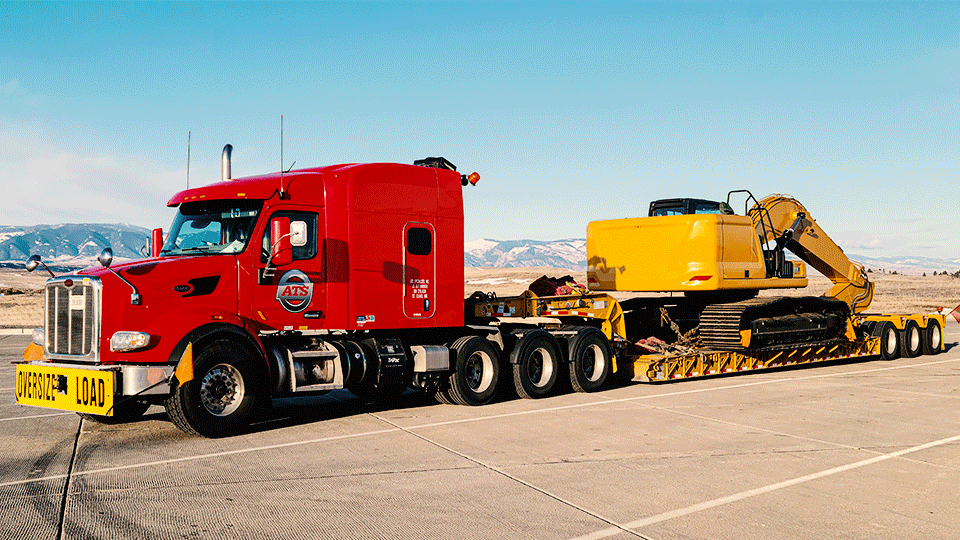
Heavy Haul Shipping Rates: The True Cost of Moving Heavy Machinery
Key Takeaways:
What is a Conestoga Trailer?
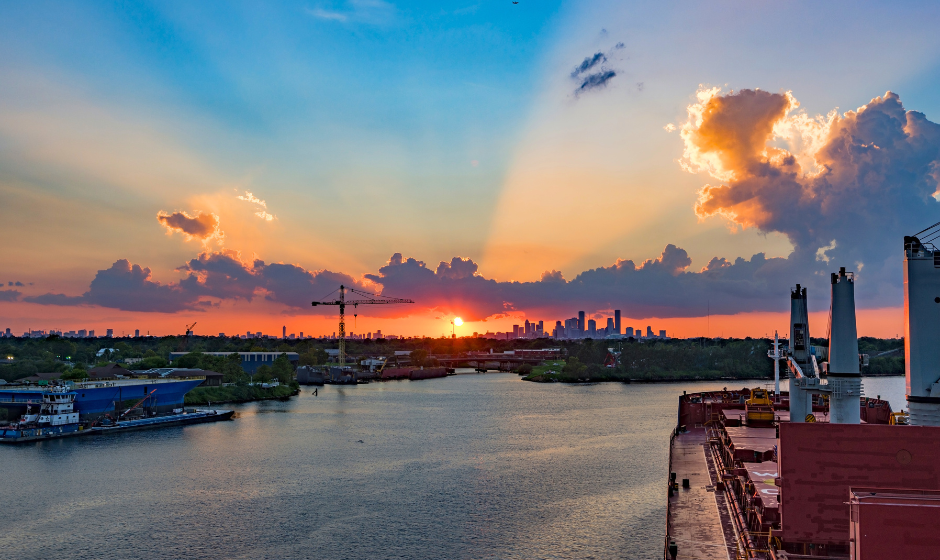
What Is Nearshoring? Definition, Benefits, and Supply Chain Advantages
Key Takeaways
- Nearshoring definition: Moving production closer to the consumer market to reduce risks and costs.
- Why it matters: Improves supply chain resiliency, lowers transit times, and reduces shipping expenses.
- Industries adopting nearshoring: Automotive, aerospace, retail, electronics, pharmaceuticals, and more.
- Primary benefits: Efficiency, profitability, and adaptability in a volatile global marketplace.
International shipping is, by its very nature, risky business. So many things can disrupt a global supply chain, from sluggish port operations to geopolitical conflict to capacity shortages. Heck, even the weather can set a supply chain off its course, careening toward disaster!
What Does Dedicated Transportation Cost?
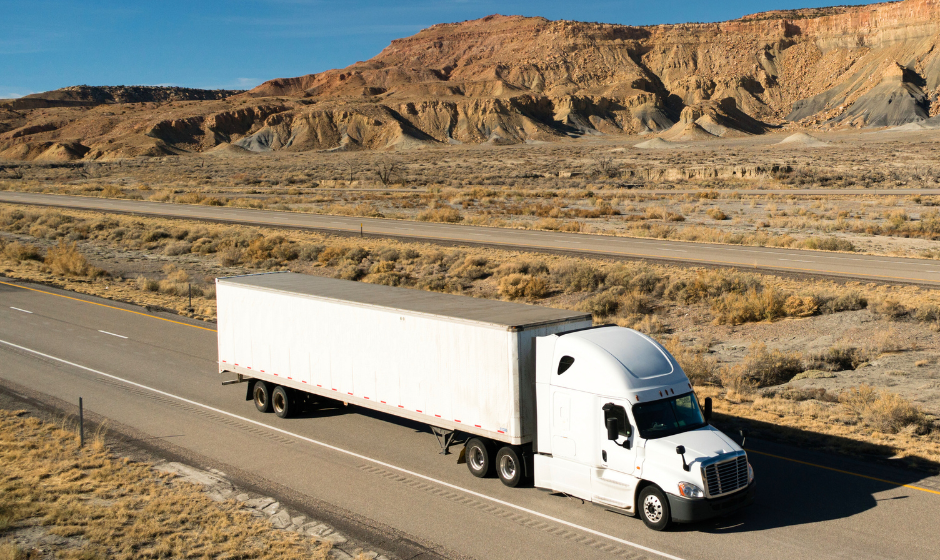
For high-volume shippers constantly moving critical freight, juggling multiple active transportation providers at once can be as stressful as it is inefficient.
What Is Freeze Protection in Freight Shipping?

If you live in an area with cold winters, you undoubtedly know a thing or two about protecting yourself and your property from those seriously frigid temperatures.
Infographic: Transloading vs. Cross-Docking
Transloading vs cross-docking — what's the difference?
While both are commonly-used logistics methods, the difference between transloading and cross-docking is their purposes.
Transloading focuses on transferring goods between different modes of transportation, often with additional handling steps, while cross-docking focuses on quickly moving goods from inbound to outbound trucks with minimal storage time.
2025 Retail Peak Season: What Shippers Need to Know to Stay Competitive

What Is Managed Transportation?

- Managed transportation definition
- What makes managed transportation different
- How managed transportation works
- The shipper benefits of managed transportation
To say that freight shippers have a lot on their plates would be an understatement. The constant juggle of schedules, carriers, regulations, costs, and timelines can be overwhelming — not to mention a drain on valuable resources that could be better spent on core business priorities.
Enterprise Shipping Solutions: What They Are and How You Can Benefit
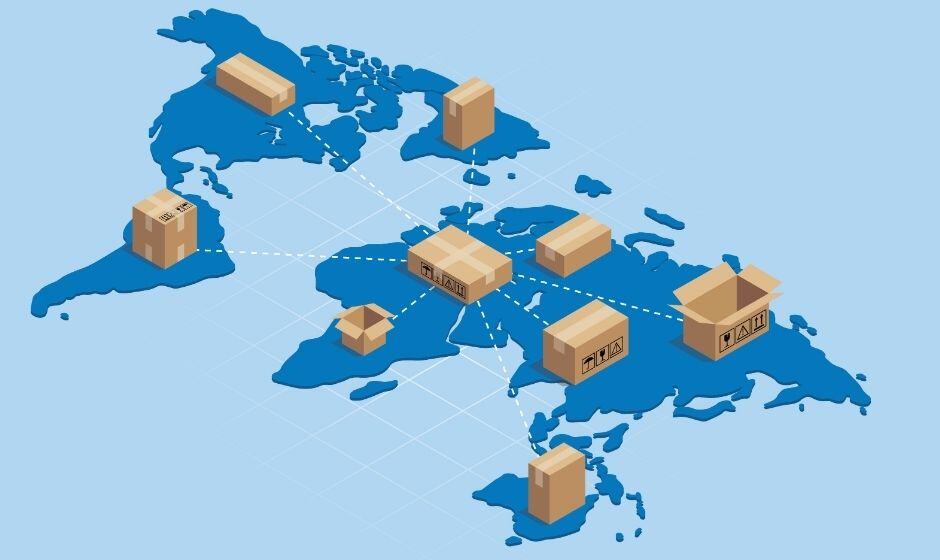
In today's globalized economy, efficient, strategic shipping solutions are more crucial than ever — especially for shippers moving a large volume of freight annually.
What Is Nearshoring? Definition, Benefits, and Supply Chain Advantages
Key Takeaways
- Nearshoring definition: Moving production closer to the consumer market to reduce risks and costs.
- Why it matters: Improves supply chain resiliency, lowers transit times, and reduces shipping..
What Does Dedicated Transportation Cost?
For high-volume shippers constantly moving critical freight, juggling multiple active transportation providers at once can be as stressful as it is inefficient.
What Is Freeze Protection in Freight Shipping?
If you live in an area with cold winters, you undoubtedly know a thing or two about protecting yourself and your property from those seriously frigid temperatures.
Infographic: Transloading vs. Cross-Docking
Transloading vs cross-docking — what's the difference?
While both are commonly-used logistics methods, the difference between transloading and cross-docking is their purposes.
Transloading focuses on ..
What Is Managed Transportation?
- Managed transportation definition
- What makes managed transportation different
- How managed transportation works
- The shipper benefits of managed transportation
To say that freight shippers have a lot on their..
Enterprise Shipping Solutions: What They Are and How You Can Benefit
In today's globalized economy, efficient, strategic shipping solutions are more crucial than ever — especially for shippers moving a large volume of freight annually.